

Why Portuguese textiles continue to make a difference

To talk about Portuguese textiles is, inevitably, to talk about the North of Portugal.
For decades, regions like Guimarães, Santo Tirso, Famalicão, Vizela, and Barcelos grew alongside the textile industry. In the Ave Valley, in particular, factories not only shaped the economy but also the lives of families, cities, and the local identity itself.
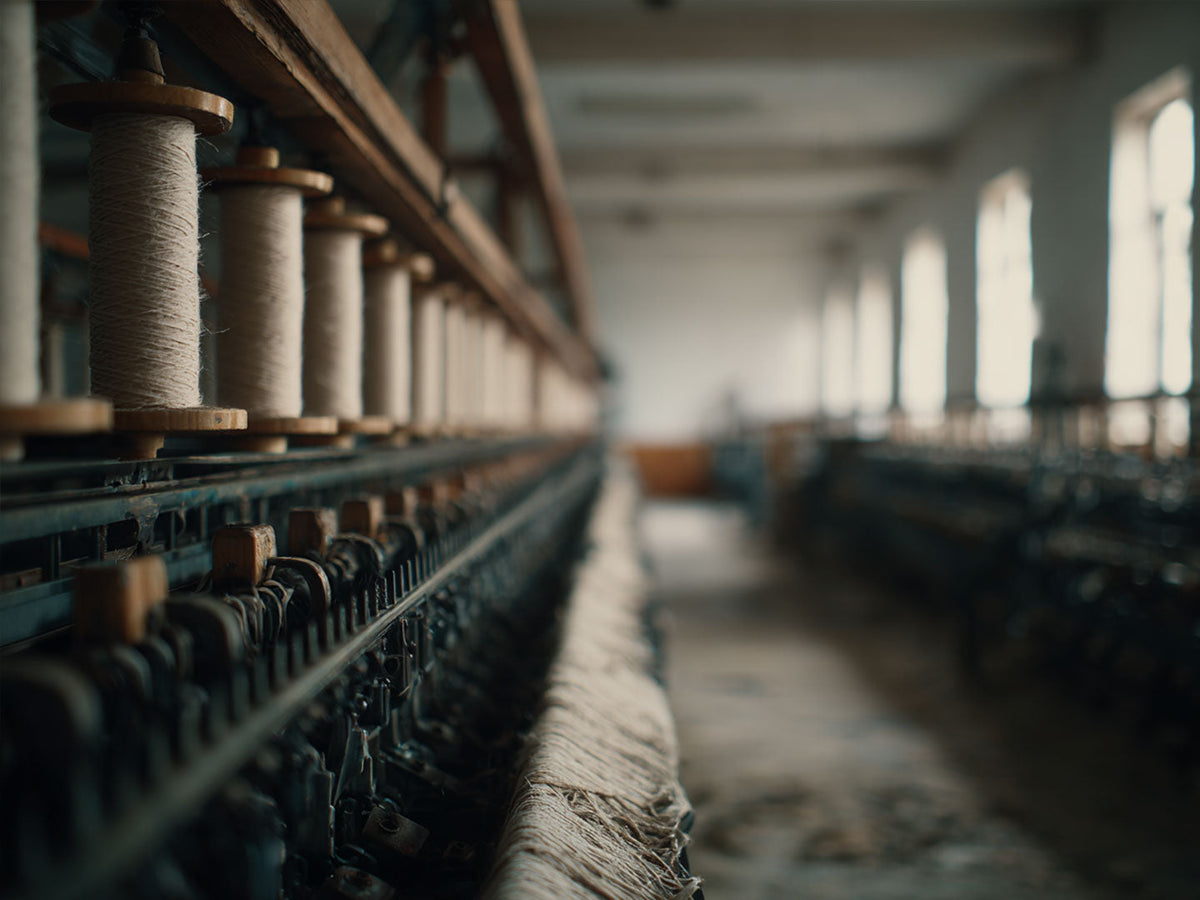
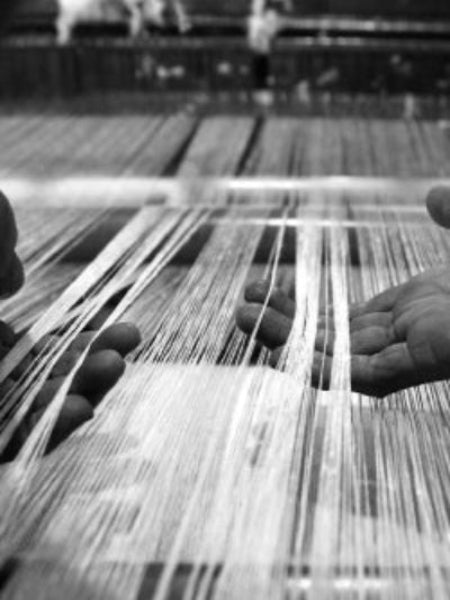
Many of these factories were born between rivers, looms, dye houses, and small communities that learned, generation after generation, to work fibers, fabrics, and finishes. What we now call Portuguese textile quality did not appear overnight; it is the result of years of experience, trial and error, specialization, and people who spent their lives within this industry.
Today, the textile and clothing sector is one of the most important in the Portuguese economy, representing a significant part of national exports and placing Portugal among the leading European producers of home textiles. This significance is not built solely with machines; it is built with knowledge accumulated over generations.
And perhaps that is precisely what continues to make a difference.
Portugal does not merely stand out for producing textiles. It stands out for the expertise of its factories, the proximity between development and production, attention to detail, and the ability to transform raw materials into products designed to last.
Portuguese textiles have history. But, more than that, they have continuity.
Decades of experience
Most Portuguese factories specializing in home textiles have been working in the sector for decades.
There is a technical knowledge that is very difficult to replicate: the choice of fibers, the construction of fabrics, the finishes, the dyeing, and the small production decisions that directly influence the comfort and durability of the final product.
The strength of the Portuguese industry has always been more in its adaptability, the quality of its finishes, and the proximity between development and production—precisely what continues to make Portuguese textiles relevant today.
Produce less, but better
For a long time, the market became accustomed to the logic of fast consumption. Products designed to follow trends, but not necessarily to last.
In home textiles, this logic is slowly beginning to change.
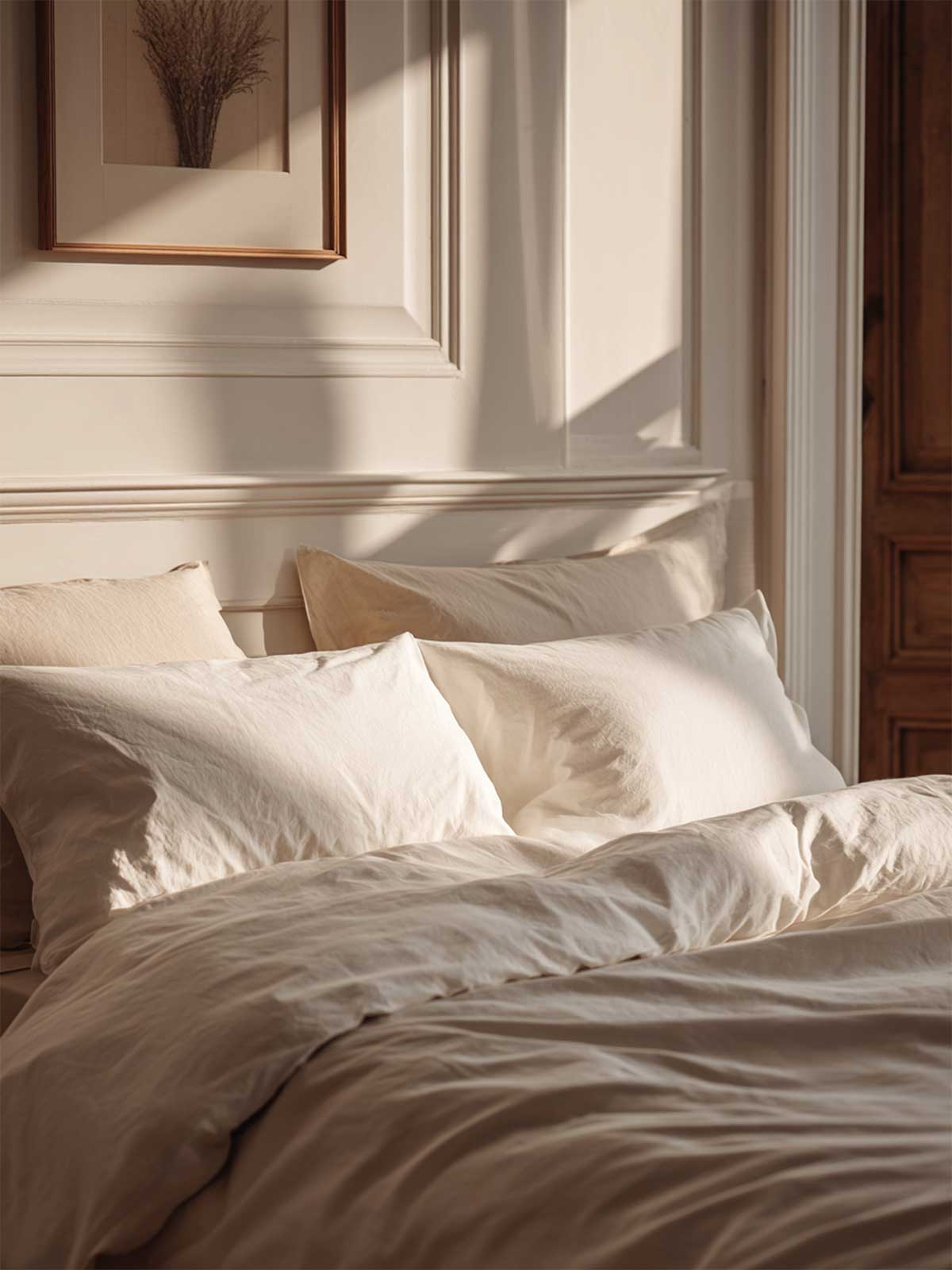
Increasingly, there is a demand for real comfort, natural materials, and pieces capable of withstanding daily use for years. And this is precisely where Portuguese textiles continue to make sense: in consistency, in the choice of materials, and in how each product is designed to last more than one season.
It's not just about producing in Portugal. It's about how it's produced.
The importance of materials
A good fabric always starts with the raw material.
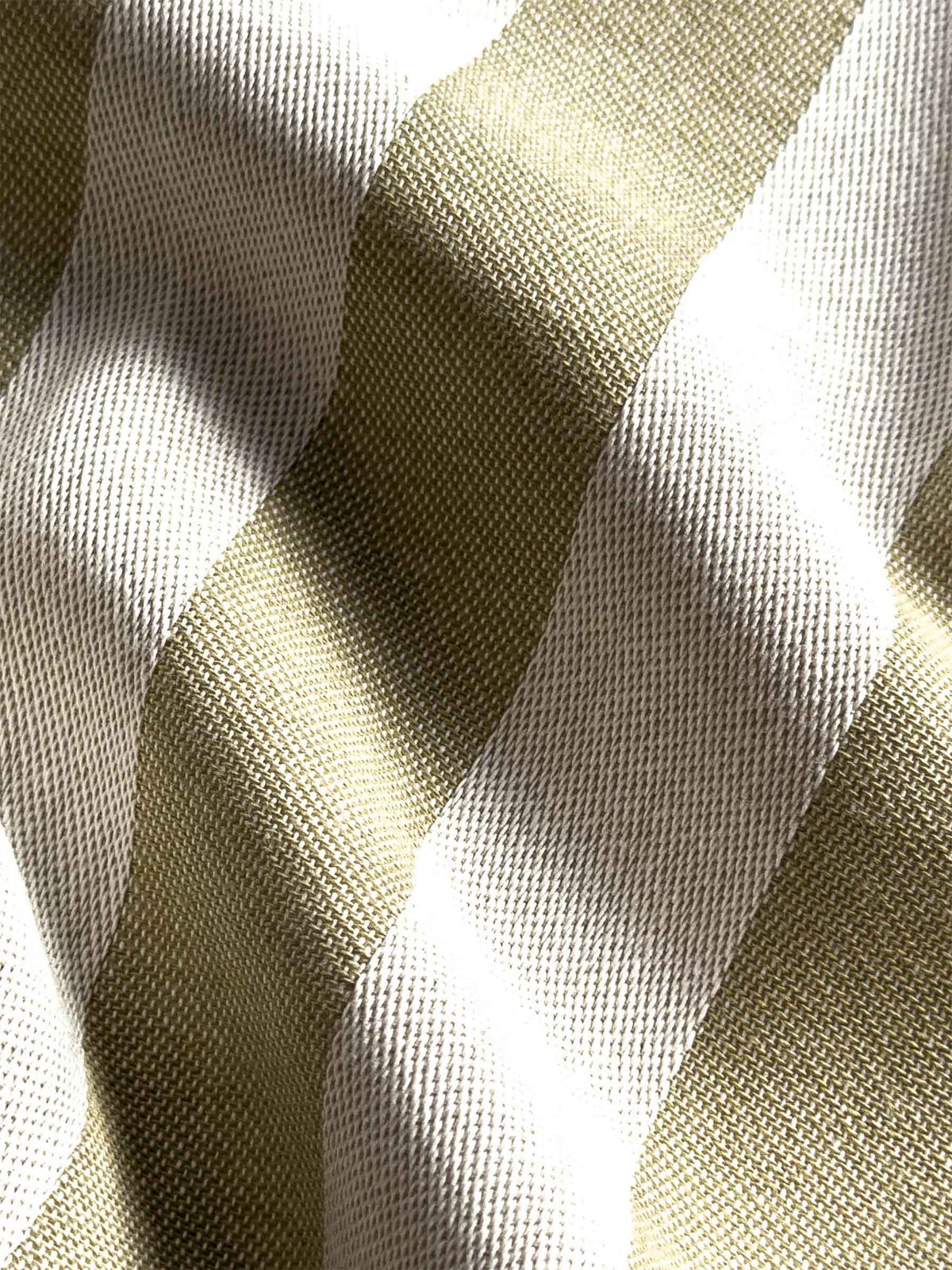
Long-staple cotton, natural linen, or more balanced constructions make a difference not only in the initial touch but also in how the product evolves over time.
If you want to understand better how different fabrics influence comfort throughout the year, you can also discover the best fabric for each season.
Because what seems simple is often the result of many years of accumulated experience.
A different rhythm
There is a slower, more detailed care, focused on product longevity. A concern for real comfort, not just appearance.
At a time when almost everything has become disposable, this way of producing gains even more value.
In the end, choosing Portuguese textiles is not just a matter of origin. It is a choice for better materials, for knowledge accumulated over generations, and for products designed to remain in daily use for much longer.
At HEPO, we work directly with Portuguese brands and manufacturers such as COELIMA, LASAHOME, JOSIM or António Salgado, companies that continue to represent the knowledge, quality and heritage of Portuguese home textiles.
Discover our selection
At HEPO, we bring together pieces made in Portugal, chosen based on exactly these criteria, without excess, only what makes sense.
Stay awhile. Make yourself at home. Explore our products